SHORT DESCRIPTION
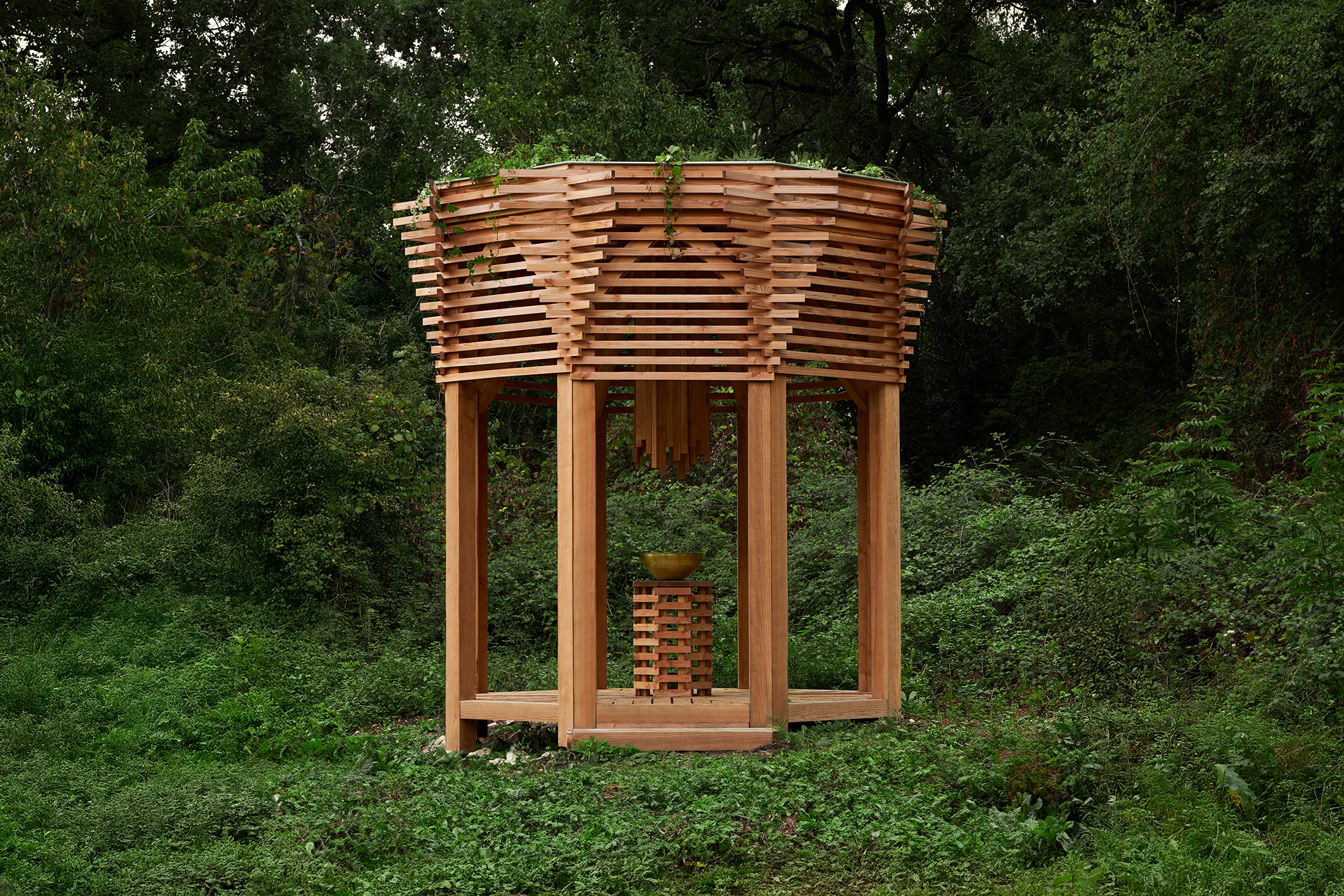
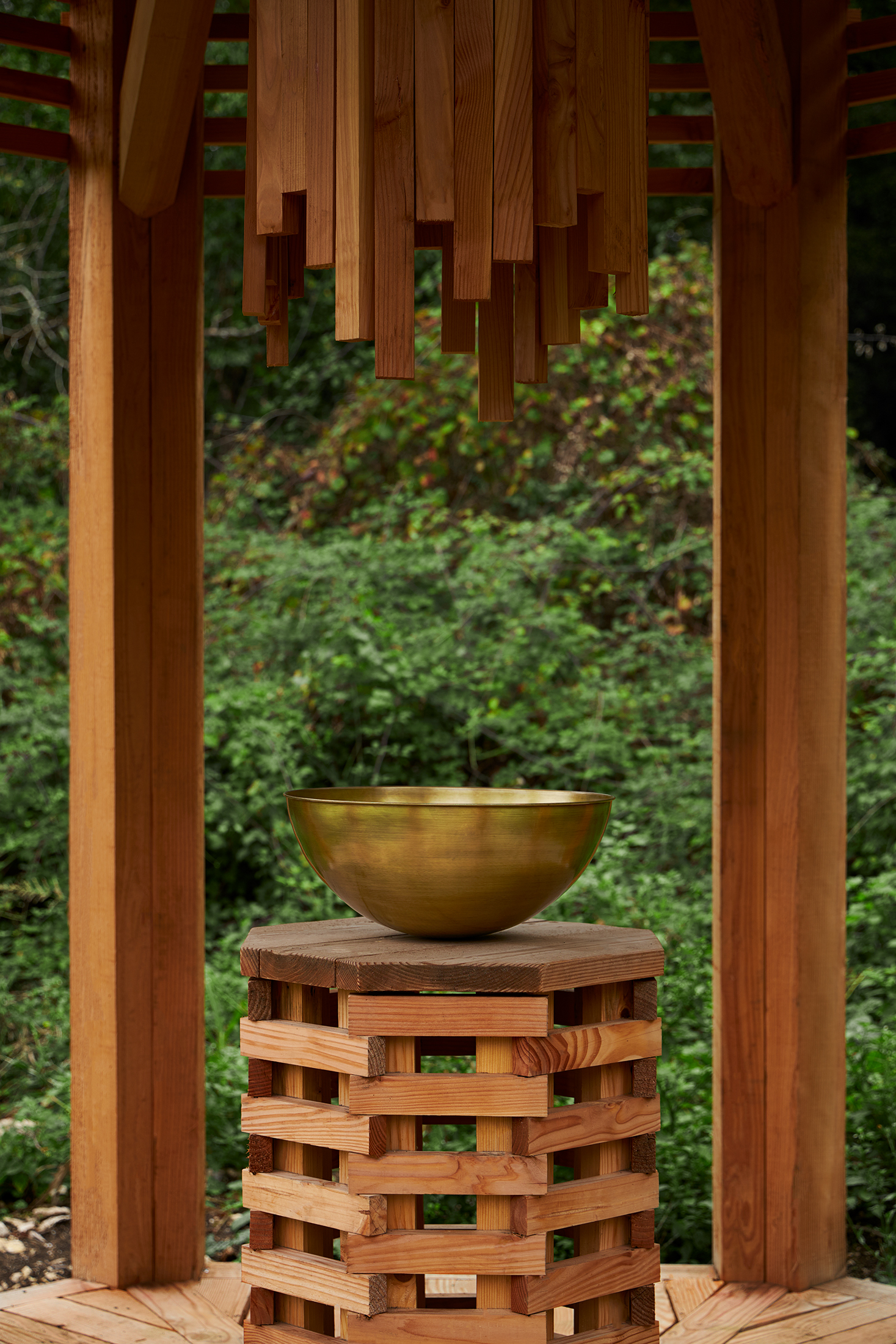
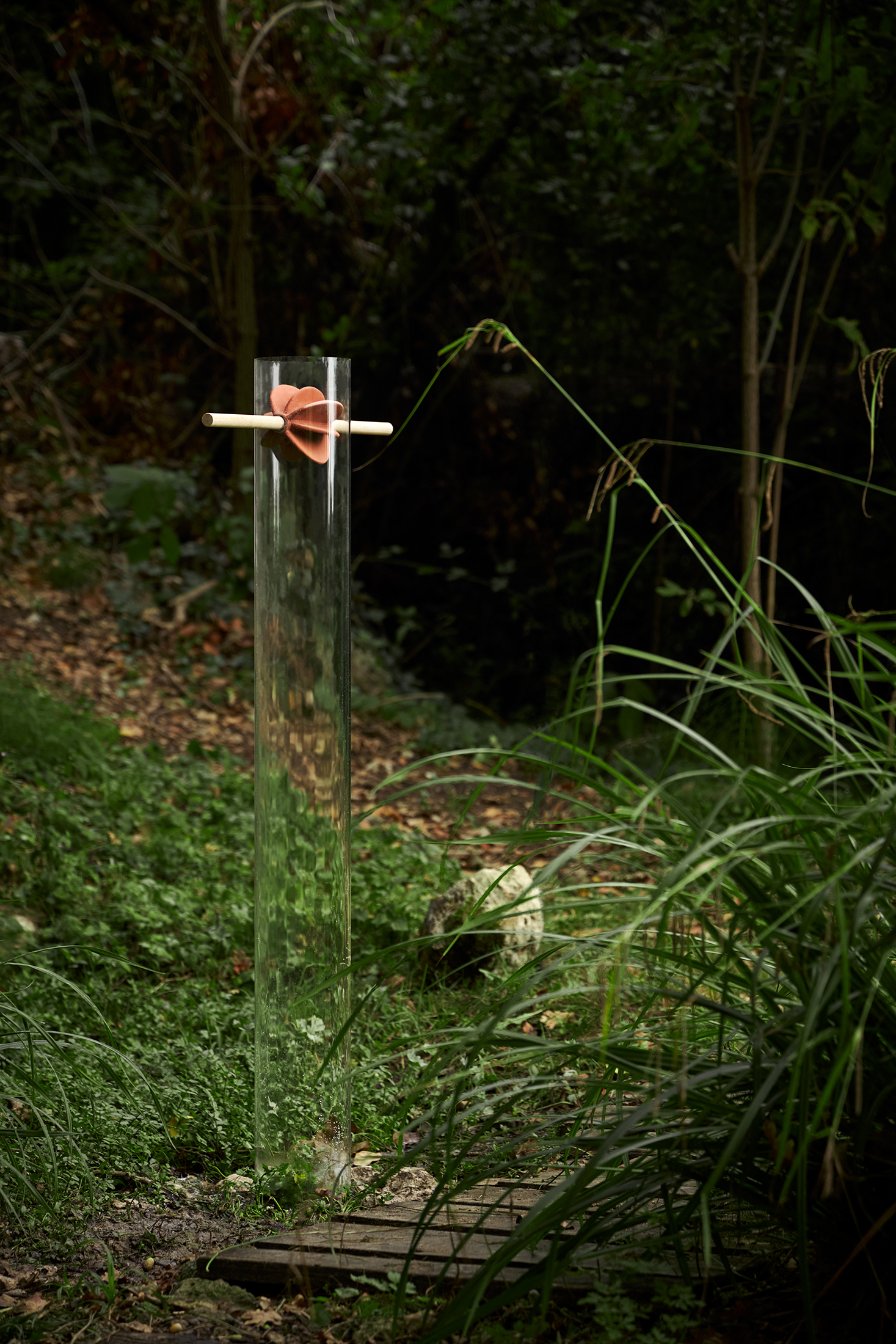
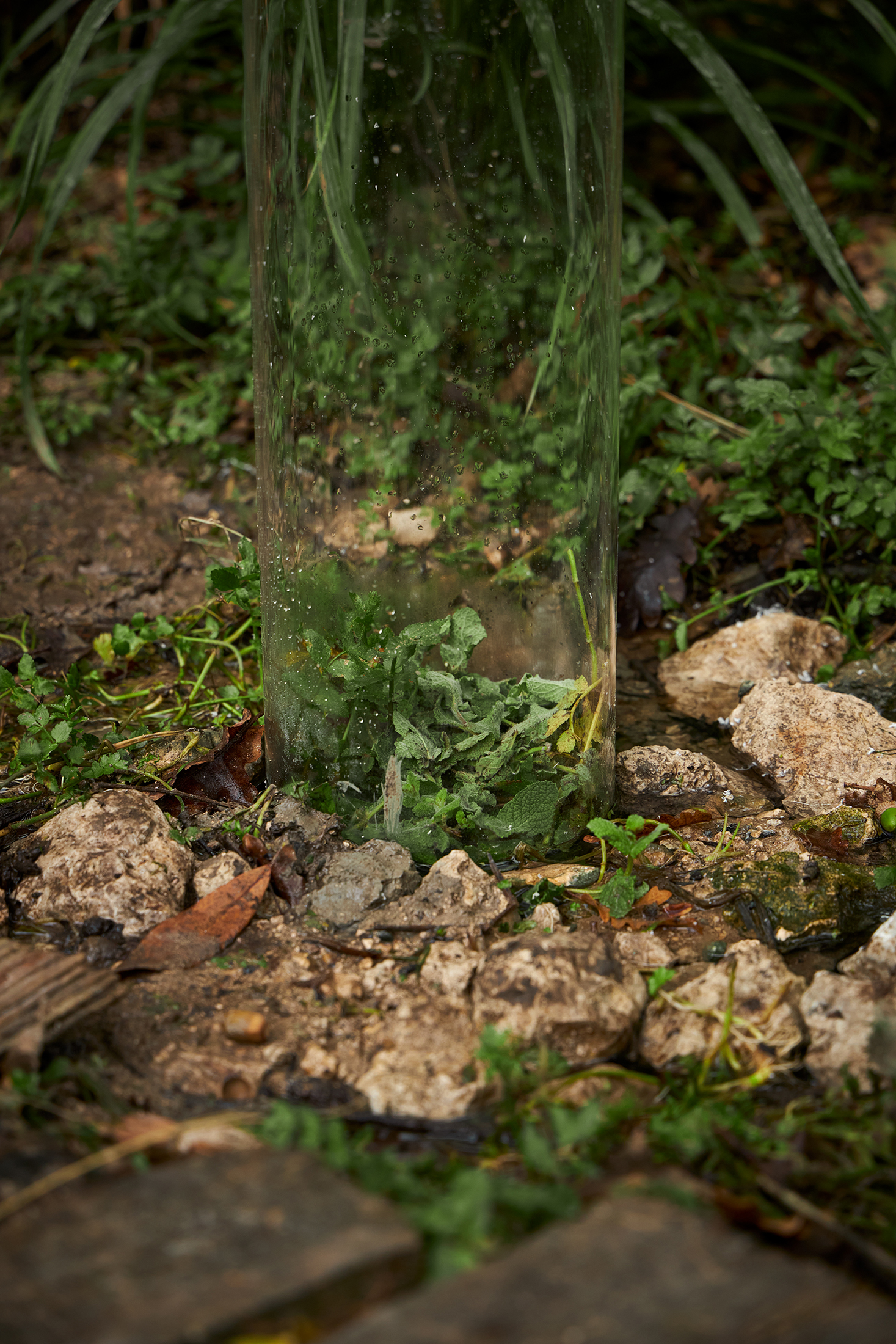
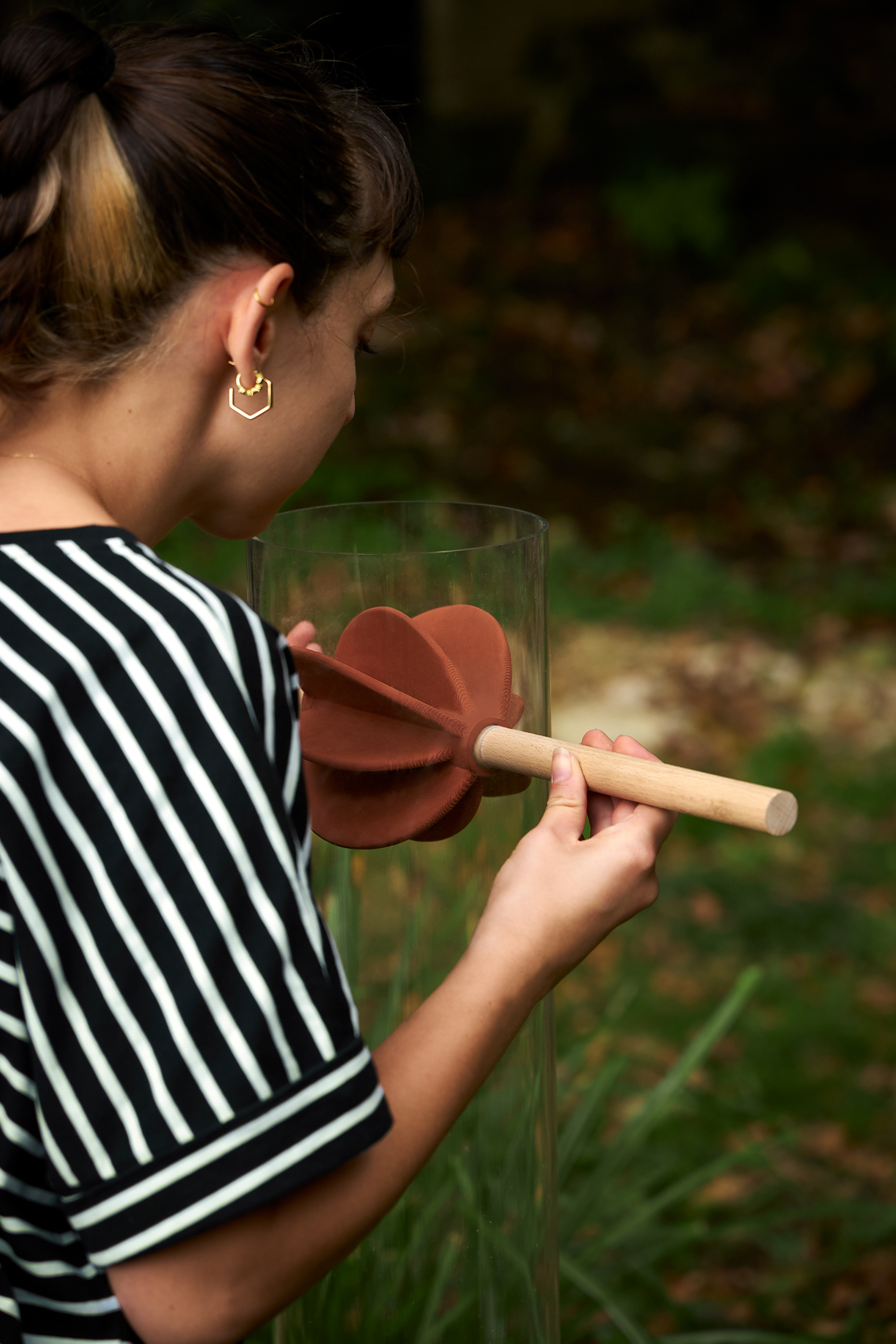
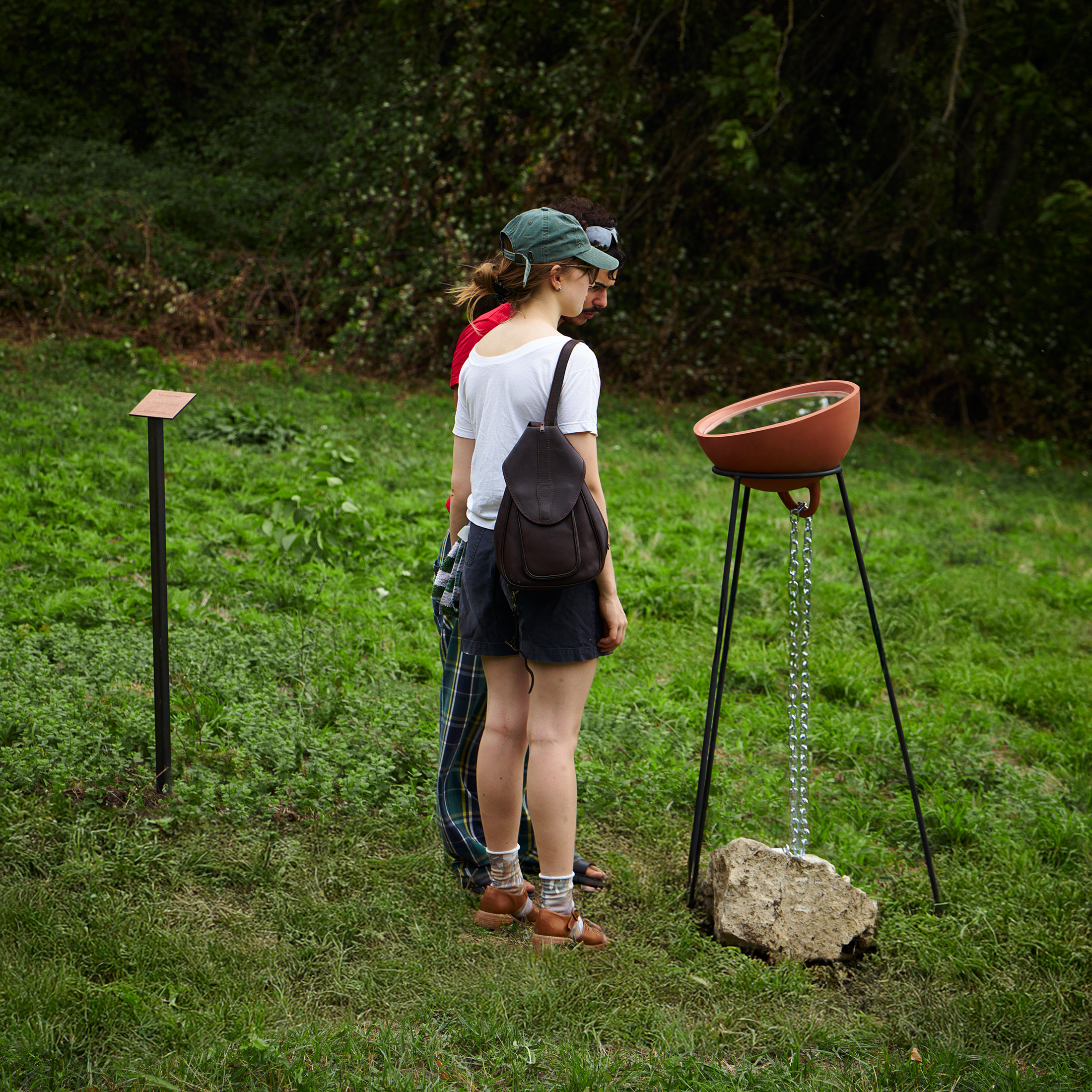
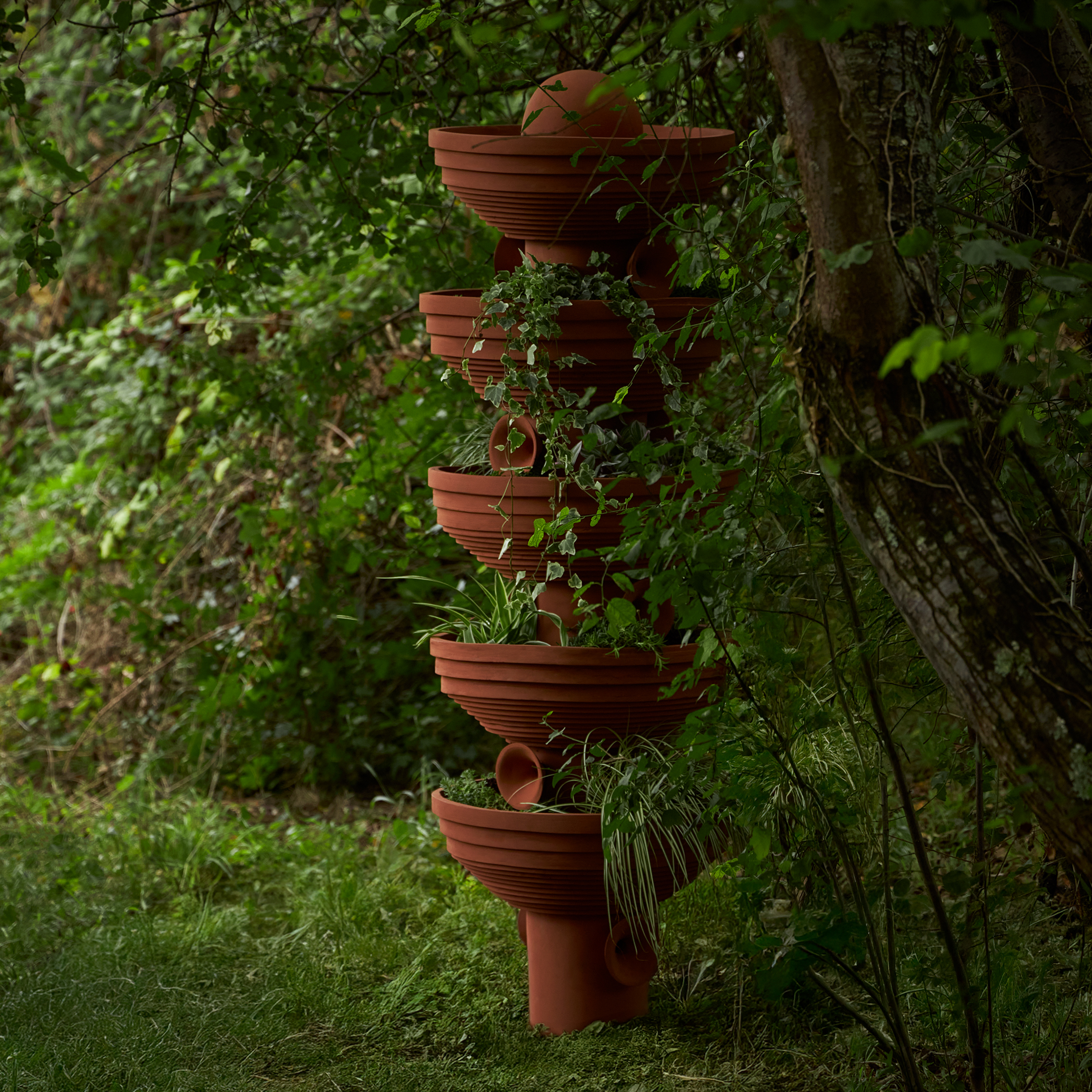
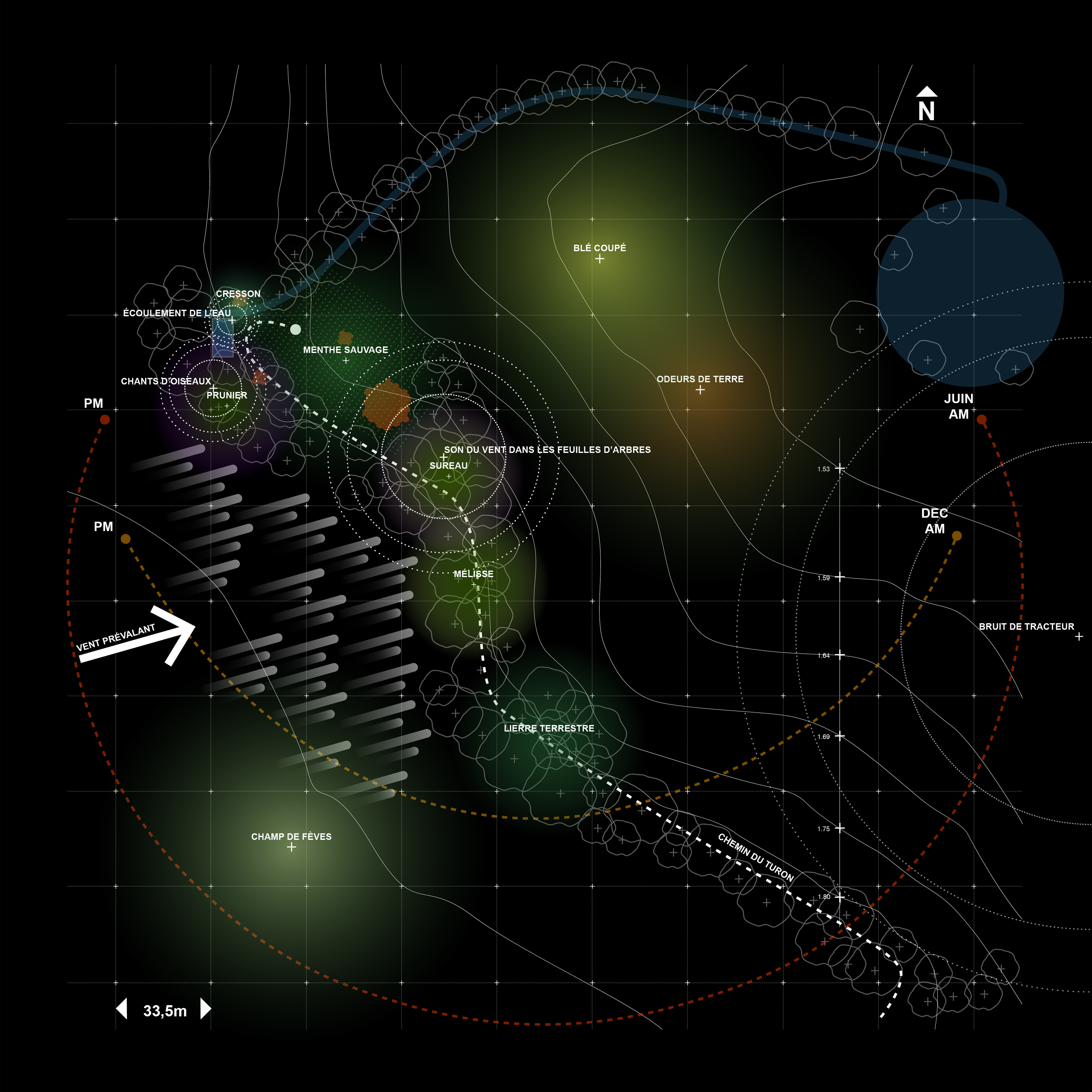
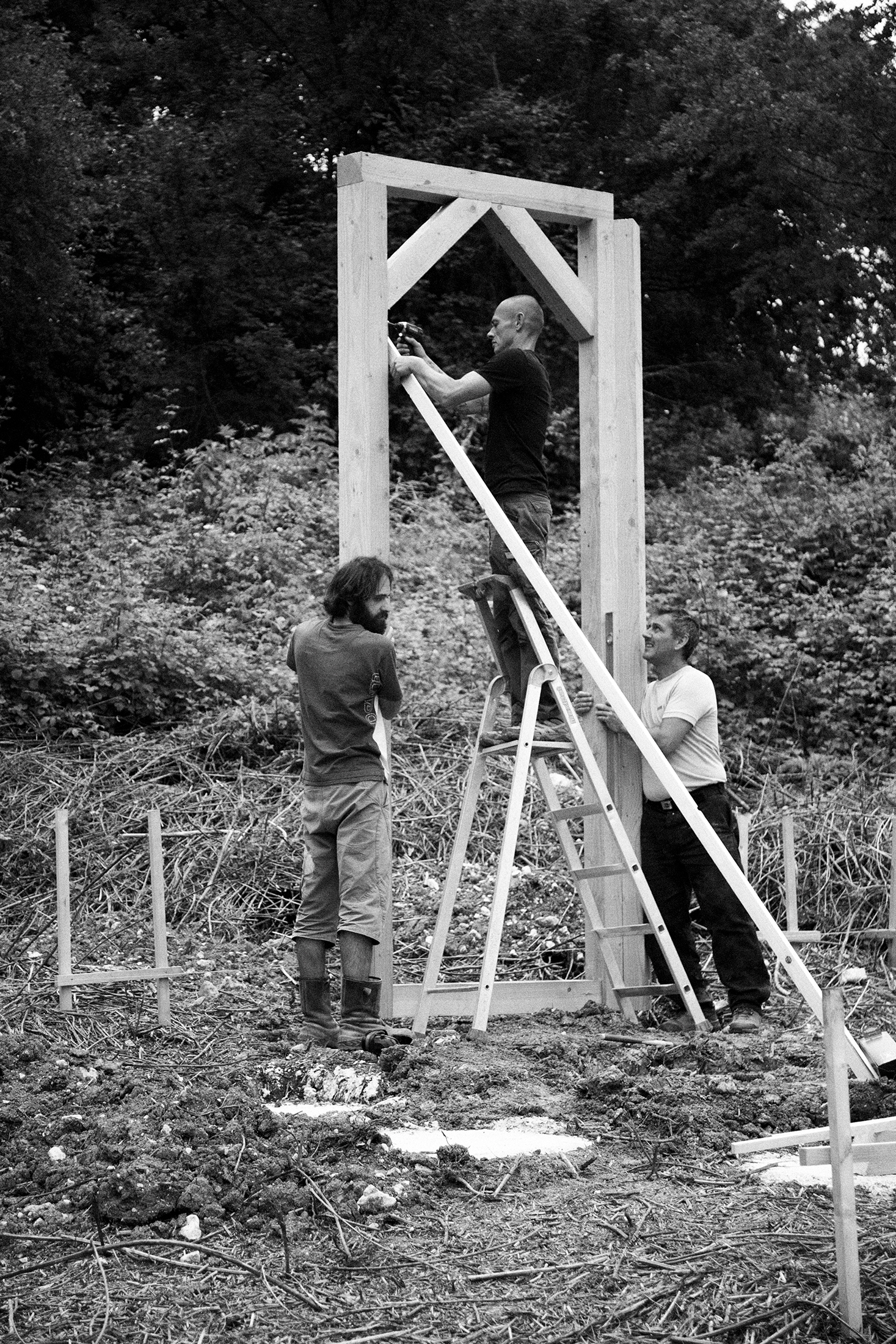
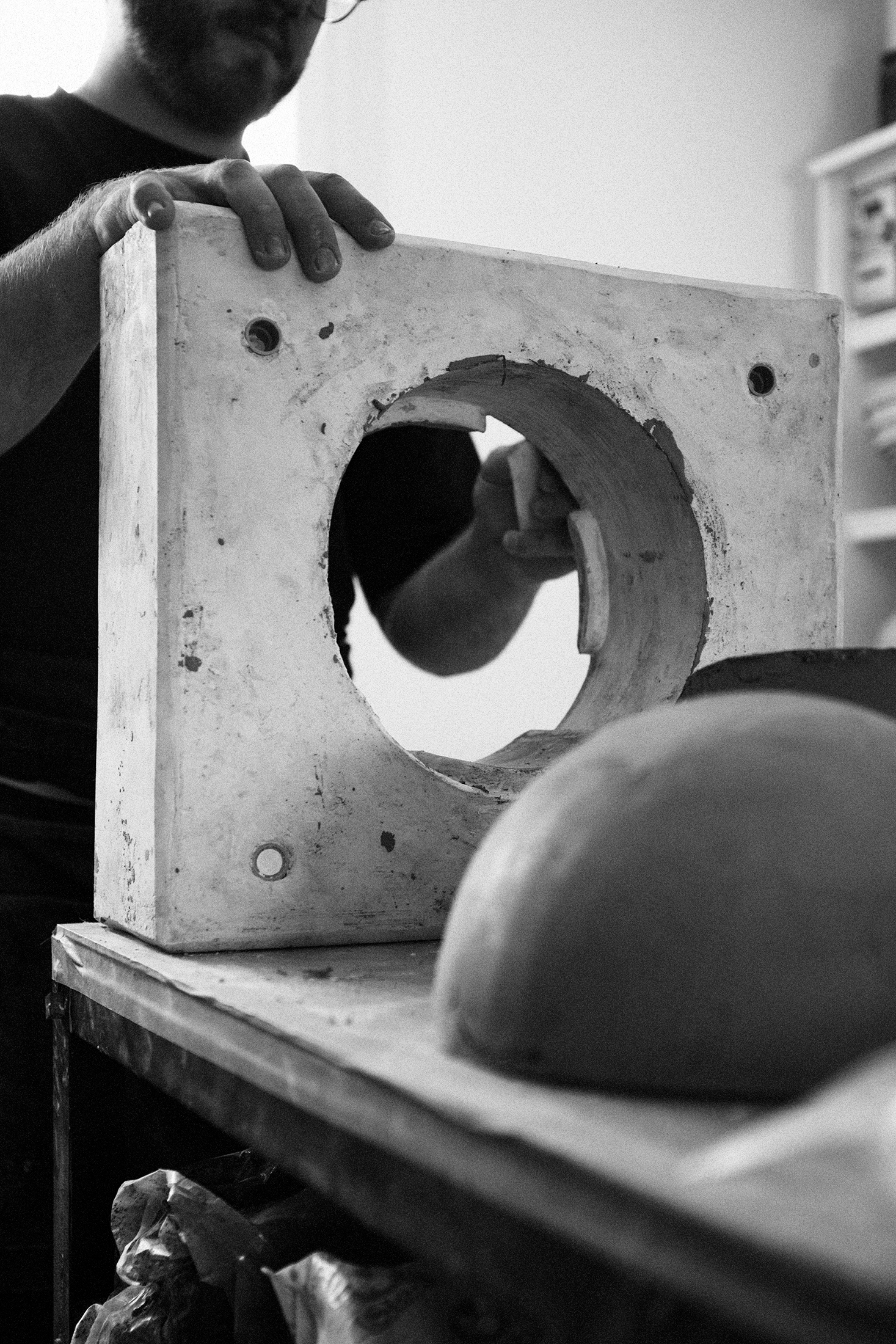
Petites Inventions du Paysage is a collection of sensory installations designed by Studio Baudequinmaldes and situated along a forest path in Berrac, in the south of France. Conceived as both artistic interventions and design research, these small-scale architectures and devices invite visitors to slow down, to listen, to smell, and to feel the landscape differently. Each installation reveals a distinct dimension of perception. The Moulin à Odeurs captures the wind and diffuses the fragrance of local plants; the Cabane Sensorielle transforms rainfall and light into contemplative experiences; the Fontaine Végétale create a hanging garden of wild plants to smell; the Phare à Horizons frames fragments of sky and shifting light. A fragrance, Le Parfum du Chemin, extends the project beyond the site, allowing distant peoples to sense the place. Developed through field observation, botanical exploration, and collaboration with local craftsmen, the project uses materials, wood, ceramic, stone, and metal, chosen for their tactile, olfactory, and acoustic qualities, as well as for their ability to change with time. The installations adapt to natural rhythms: humidity, light, and seasons become integral to the work. Petites Inventions du Paysage proposes a vision of design that extends beyond the object, toward a design of atmosphere, relation, and attention. It explores how design can act as a mediator between humans and the environment, amplifying what already exists rather than imposing form. Ultimately, the project reimagines design as an act of care and listening, a sensitive, site-specific practice rooted in slowness and perception. By celebrating natural phenomena such as rain, light, and scent, it transforms the landscape into a living story, inviting us to experience the world through a renewed sense of wonder and connection.